
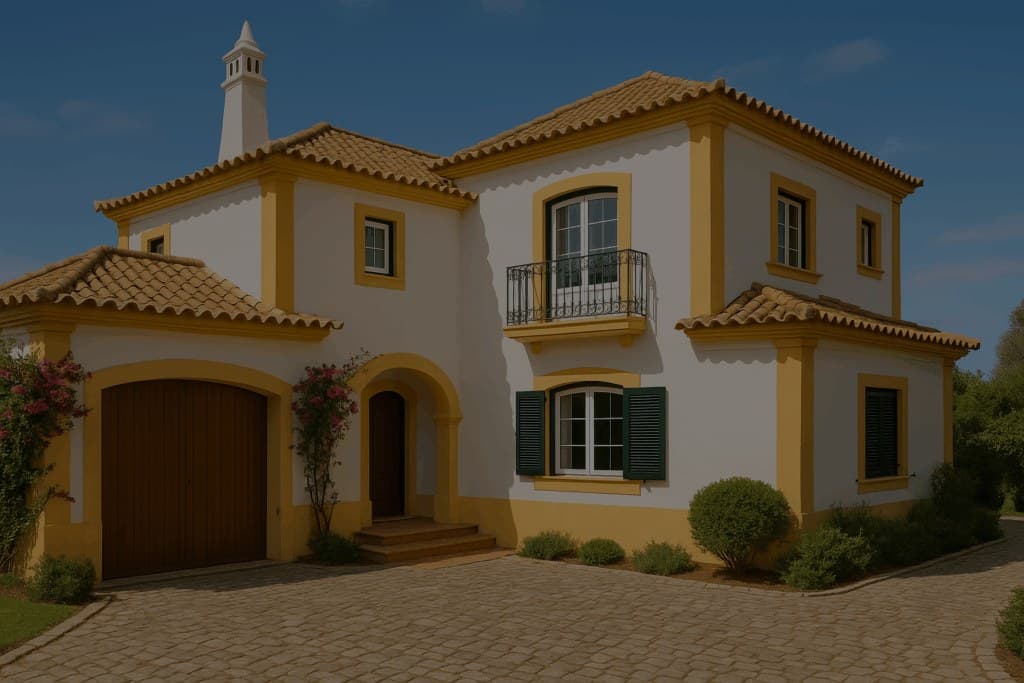
In the exciting journey of buying a property in Portugal, understanding the condition of your potential home is crucial. A detailed inspection shows you what a viewing does not, potentially saving thousands of euros in unforeseen repairs.
At PIDS, we are committed to supporting your dream of buying a property in Portugal by ensuring you make an informed decision. Our inspections give you a clear picture of the property's real condition, so you can avoid unexpected surprises after the purchase.
Before finalising your purchase, a detailed home inspection is indispensable. Inspection findings can be used to negotiate a lower purchase price or request repairs - on average these negotiations lead to a 5% reduction in the property's sale price.
Early problem detection also helps you understand which issues are urgent and which can wait, so you can budget confidently and prioritise repairs after the move.
Read Our Home Buyer's Guide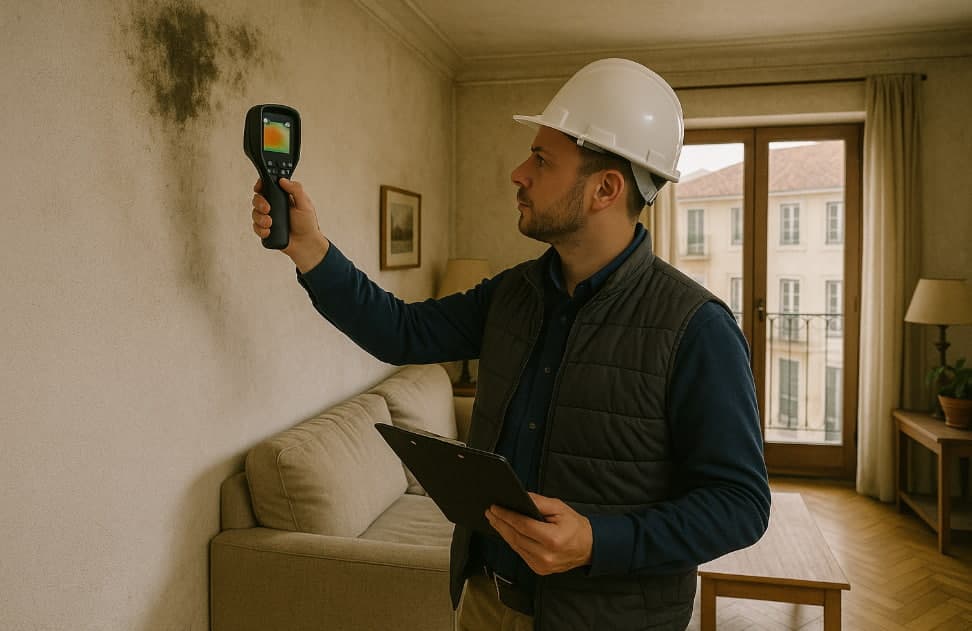
registered architects and civil engineers, Ordem-verified - never generalists
cities covered, so the architect who inspects is local to the property
bilingual report delivery - English and Portuguese - so you can act fast
commissions or referral fees taken from agents, sellers or developers
Buying property in Portugal works differently than in the UK, US, or most of northern Europe. A few local realities make an independent inspection particularly valuable for expat buyers.
In Portugal, the CPCV (Contrato de Promessa de Compra e Venda) is a binding promissory contract signed before the final deed. Once signed, walking away typically forfeits your deposit - often 10% of the purchase price - and the seller can sue for performance. Inspecting before the CPCV keeps every option open: negotiate, request repairs, or walk away with no penalty.
Unlike countries with property condition disclosure laws, Portugal has no central registry of known defects, prior repairs, or insurance claims tied to a property. The seller is not obliged to volunteer everything they know. An independent inspection is the only reliable way to surface what previous owners or agents may not be telling you.
Technical building terminology in Portuguese is hard to translate confidently, especially around electrical regulations, structural terms, and municipal codes. Our reports are delivered in English and Portuguese side by side - so you understand every finding, and your Portuguese lawyer or contractor can act on it without losing nuance.
Many Portuguese properties marketed as "remodelled" or "fully renovated" have had cosmetic upgrades only - new tiles and paint over old electrical wiring, undocumented plumbing changes, or roof work without permits. We look for the visible signs of what may be behind the finishes: staining, movement, poor detailing, mismatched materials. Where the signs are there, we tell you what to investigate further.
Across hundreds of inspections, certain defect patterns repeat - especially in older properties and coastal regions. Knowing what to look for helps you understand why a thorough inspection is worth the investment.
The single most common defect we find. Older Portuguese buildings often lack a damp-proof course, and coastal properties in the Algarve, Madeira, and Lisbon face salt-laden humidity that accelerates wall and metalwork degradation. Cosmetic paint and plaster can hide active damp for years.
Many properties have wiring that pre-dates modern Portuguese regulations (RTIEBT), with missing earthing, insufficient circuit protection, or undocumented DIY additions. We check the main panel, RCD/MCB protection, and visible wiring against current safety standards.
Traditional terracotta tile roofs need regular maintenance. Slipped tiles, failed flashings around chimneys, and hidden timber decay are frequent findings - particularly in older properties in Lisbon, Porto, and the north where wet winters expose every weakness.
Inadequate slope on terraces, balconies, and pool surrounds causes pooling and slow leaks into structural elements below. Rural properties often have septic tanks. We note what is visible of the tank and its surroundings and whether documentation was available.
Settlement cracks, sloping floors, and movement above window and door lintels are common in older masonry buildings. Most are cosmetic, but some indicate active issues. The inspector gives their reading of whether a crack looks historic and stable or looks active, and recommends a structural engineer where the visible evidence does not settle it.
Pools can be expensive surprises. We check liner condition, pump and filtration equipment, electrical safety around the pool, and surrounding paving. Solar panels, water heaters, irrigation, and external lighting are also part of the assessment where present.
Easily book your detailed property inspection by filling out the PIDS inspection form. Receive a clear quote and confirm your booking.
Our skilled inspectors conduct a thorough 1–3 hour examination of the property. You or your agent can be present for real-time insights.
Within 2 working days you'll receive a detailed bilingual report - clear, concise, and packed with photos and recommendations.
What buyers most often ask before booking — especially those still abroad.
No. Many of our clients are still in the UK, Ireland, the U.S., or elsewhere when we inspect. Your agent (or the seller's agent) provides access on the day. After the inspection we deliver the bilingual report and walk you through the findings on a video call.
This is the most common case. Send us your specific concerns in advance - anything you noticed in viewing photos, the listing description, or earlier visits. We focus the inspection on what matters to you, then debrief by video call so you can ask questions in real time.
You get options, not obligations. The report rates each defect by severity with photos. From there you can renegotiate the price, request the seller to fix items before the deed, or walk away - whatever you decide. The bilingual format means your Portuguese lawyer can use the report directly in CPCV negotiations.
Reply to your booking confirmation with anything you've noticed or heard about the property: damp marks in viewing photos, the agent saying "just cosmetic", a renovation that looked rushed. We add these to the checklist so the inspector looks at them specifically.
The report is not just documentation - it is leverage. Buyers who use their PIDS report well typically achieve a 5% or greater reduction in purchase price. Here is how.
Our report rates each defect by severity and includes photo evidence. For the major items, ask one or two licensed Portuguese contractors for written repair quotes. PIDS does not provide repair cost estimates, but our report gives contractors everything they need to quote accurately. Real numbers turn an inspection finding into a negotiation lever.
You have three main options: (a) ask for a price reduction equal to repair costs, (b) request that the seller complete repairs before the deed, or (c) walk away if defects are too significant. Most expat buyers prefer option (a) - it gives you control over how and when work is done, by contractors of your choosing.
Your lawyer can incorporate inspection findings into the CPCV negotiation - either as a price adjustment, a repair clause, or grounds to step back. The bilingual format of our report means there is no translation gap between you, your lawyer, and the seller's side. Decisions get made faster, on better information.
Our 100+ point checklist structures what the inspector looks at. Anything observed is reported, rated and photographed.
“As an expat buying my first home in the Algarve, I had no idea what to look for. PIDS walked me through every issue and their report gave me leverage to negotiate €8,000 off the asking price.”
Get your inspection by qualified Portuguese architects and civil engineers - bilingual report in 48 hours. From €450.
Check Your Price