
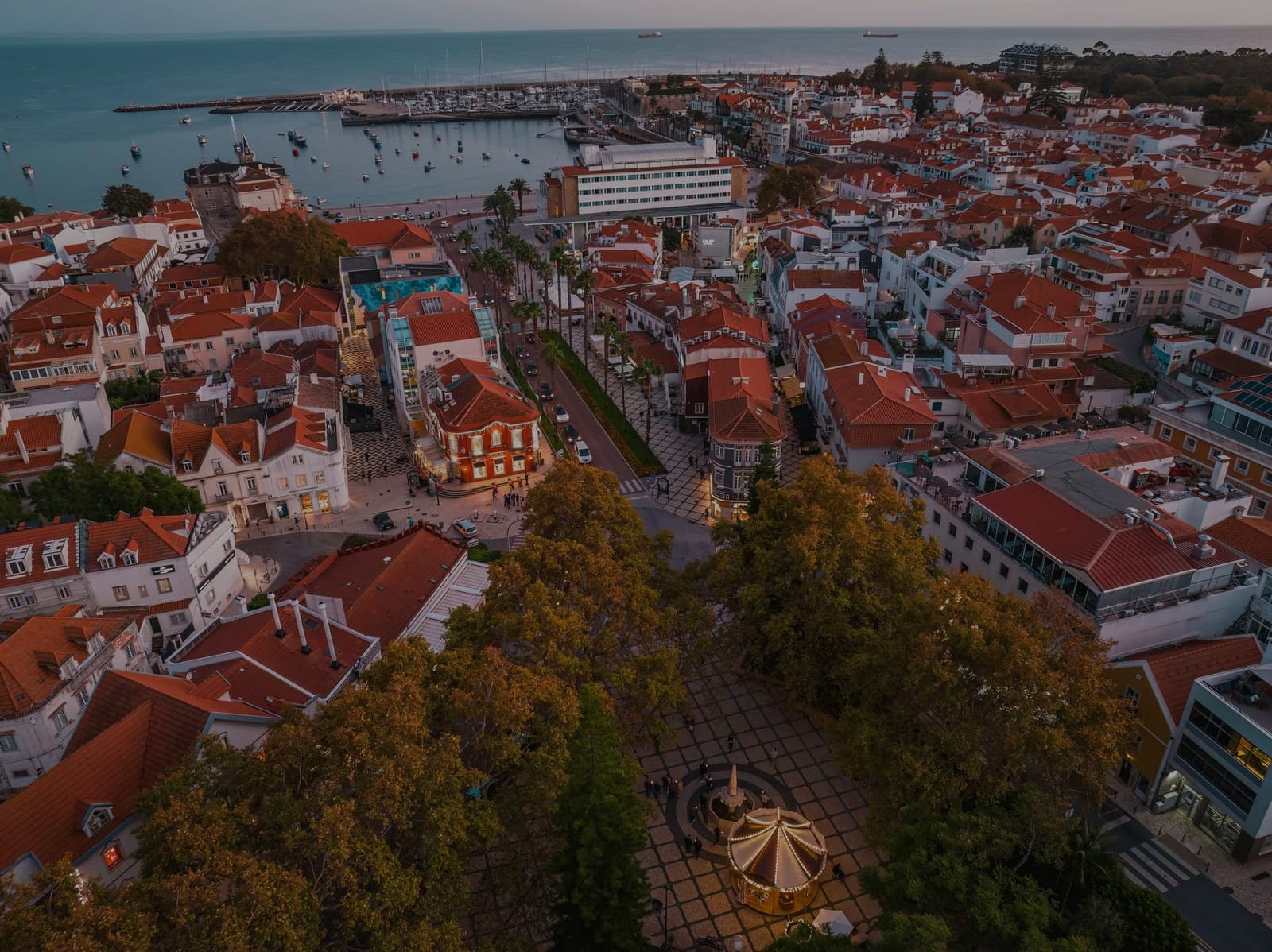
Buying a home in Cascais is exciting and a big investment. Local conditions can quietly damage buildings: salty ocean wind near Guincho, rain that hits roofs and terraces hard, older concrete blocks in Parede and Estoril, and villas with pools in Birre and Quinta da Marinha.
Cascais has a unique climate and geography that can affect homes in ways that aren't always easy to see. Salty ocean wind near Guincho, Atlantic rain that hits roofs and terraces hard, older concrete blocks in São João do Estoril and Parede, and villas with pools all carry specific risks.
A 1960s apartment close to the seafront in Parede might have hidden rust damage in its balcony structure. A villa near Guincho could have wind-driven rain penetrating window frames that look fine at first glance.
On an exposed Atlantic coast where Guincho winds drive rain and salt air into balconies and façades, knowing about these risks before you sign the CPCV gives you room to renegotiate or walk away.
A seafront flat in Cascais town may look immaculate during summer, but closer inspection could reveal salt-air corrosion and balcony structural damage costing more than
€12,000 to repairCascais's property market spans early 20th-century villas, 1960s–1980s concrete blocks, and 1990s–present condominiums. Each era brings specific inspection priorities.
Masonry walls and timber floors with lots of character. These homes need careful checks for timber condition, moisture in walls, and outdated plumbing and electrics.
Salt damage to balcony structures, weak insulation, aging electrical systems, and flat roofs prone to leaks are the primary concerns in this era.
Better insulation and seismic standards but still prone to roof leaks, exterior metal corrosion, and pool maintenance issues.
PIDS inspects properties across all four Cascais parishes - from the town centre to the windswept Guincho coast.
Cascais's coastal position and varied housing stock create specific recurring problems. Here are the most common issues, where they show up, and typical repair costs.
| Problem | Where It Usually Happens | Signs to Watch For | Typical Fix / Cost |
|---|---|---|---|
| Salt Damage to Concrete | Seafront blocks and marine-exposed buildings in Cascais, Parede, Estoril | Rust stains, crumbling balcony edges, cracks at railing posts | €3,000–€15,000+ |
| Wind-Driven Rain → Roof/Terrace Leaks | Top-floor apartments, terraces facing west/north in coastal areas | Ceiling stains on top floors, damp corners, water pooling on terraces | €4,000–€15,000 |
| Rising Damp & Condensation/Mould | Ground-floor and basement-level units throughout Cascais | Musty smell, black spots in corners, white salts near skirting boards | €3,000–€8,000 |
| Movement on Slopes & Poor Drainage | Hillside villas in Alcabideche and Guincho area | Diagonal cracks over doors/windows, water pooling near foundations | €5,000–€20,000+ |
| Outdated Electrical Systems | Pre-1985 apartments throughout Carcavelos, Parede, Estoril | Ceramic fuse boxes, loose sockets, no earth connections | €3,000–€6,000 |
| Pool & Garden System Faults | Villas with pools in Birre, Quinta da Marinha, Alcabideche | Water loss, algae growth, corroded pipework, failing pump | €2,000–€20,000+ |
*Ranges are indicative; we always recommend obtaining quotes from licensed contractors after the inspection. Salt air and Atlantic weather directly accelerate most defects in Cascais properties.
Salt spray and strong Atlantic winds accelerate corrosion of metals, concrete reinforcement, and window frames. Most exposed position on the Estoril coast.
Higher elevation and hillside drainage issues create slope movement risks and moisture penetration in rural quintas and older village properties.
Buying in Cascais means wind-driven rain, salt-air corrosion of balconies and ageing 1960s seafront concrete that rarely show at a viewing. PIDS gives you a full 100+ checkpoint assessment so you know your property's true condition before you commit.
Clear pricing with no hidden fees - confirmed before we book your inspection.
Bilingual report delivered within 48 hours
Fill out the PIDS Home Inspection Form with property details. Receive a clear quote and confirm your booking.
Our qualified local inspector visits the property. You or your agent can be present during the inspection.
Receive your full inspection report within 48 hours. Report includes photos, clear explanations, and recommendations.
Using your home inspection report effectively can significantly improve your buying experience.
Try to schedule your inspection before signing the promissory contract (CPCV). This gives you the strongest negotiating position.
Prioritize Cascais-specific issues: salt-air corrosion, balcony structural damage, roof leaks, or pool problems - these carry the highest repair costs.
Use inspection report photos and descriptions; obtain professional repair quotes to justify price adjustments.
Prioritize safety-critical items like structural balcony damage and electrical issues; defer cosmetic repairs as post-purchase work.
Many Cascais buyers secure up to
5% off the purchase priceusing their PIDS inspection report in negotiations
Before scheduling a professional property inspection, do a quick fifteen-minute self-audit. This helps spot obvious problems early and saves time when the experts arrive.
| # | Area | What to Do | Why It Matters |
|---|---|---|---|
| 1 | Balconies & Railings | Press railings and check the underside of balcony slabs for rust stains, crumbling concrete, or cracks at the railing posts. | Salt-air corrosion of balcony reinforcement is the single most common defect in Cascais coastal blocks. |
| 2 | Roof & Terraces | Look at top-floor ceilings for stains and check terrace surfaces for cracks, ponding areas, or failed upstands. | Wind-driven Atlantic rain frequently penetrates terraces and flat roofs - costly to repair if left unchecked. |
| 3 | Ground-Floor Walls | Check near skirting boards for white powder (salt), peeling paint, or a musty smell - especially on north-facing walls. | Rising damp is common in ground-floor Cascais properties, especially near the seafront. |
| 4 | Window Frames | Look for rust on metal frames, rot on timber, or condensation stains around the frame edges. | Salt air corrodes window frames and sealants, leading to drafts and water ingress. |
| 5 | Pool & Technical Room | Check the pool shell for cracks, look at equipment for rust, and check water loss history with the owner. | Pool repairs are expensive and often hidden - common in Cascais villas. |
| 6 | Electrical Panel | Check the consumer unit - modern labeled switches are good; ceramic fuses or crowded unlabeled circuits need attention. | Many older Cascais properties still have pre-1985 wiring that requires full replacement. |
| 7 | Exterior Walls | Check render for cracks, discoloration, or moss - particularly on west and north-facing facades. | Wind-driven rain and salt air damage exterior render faster in Cascais than inland areas. |
| 8 | Drainage & Gardens | On hillside properties, check that drainage channels are clear and water flows away from the building. | Poor hillside drainage causes foundation movement and damp in lower floors. |
If you notice rust stains on balcony structures, ceiling stains on top floors, or a musty smell in ground-floor rooms, get a professional inspection before making any decision.
No. Only the energy certificate and certain system checks are required by law. However, Cascais's unique coastal exposure means salt damage, balcony corrosion, and wind-driven rain leaks are common - making inspection strongly recommended.
Get your inspection by qualified Portuguese architects and civil engineers - from €450.
Check Your Price